
What Should You Look for Before Signing a Real Estate Contract in Florida?
What Should You Look for Before Signing a Real Estate Contract in Florida?
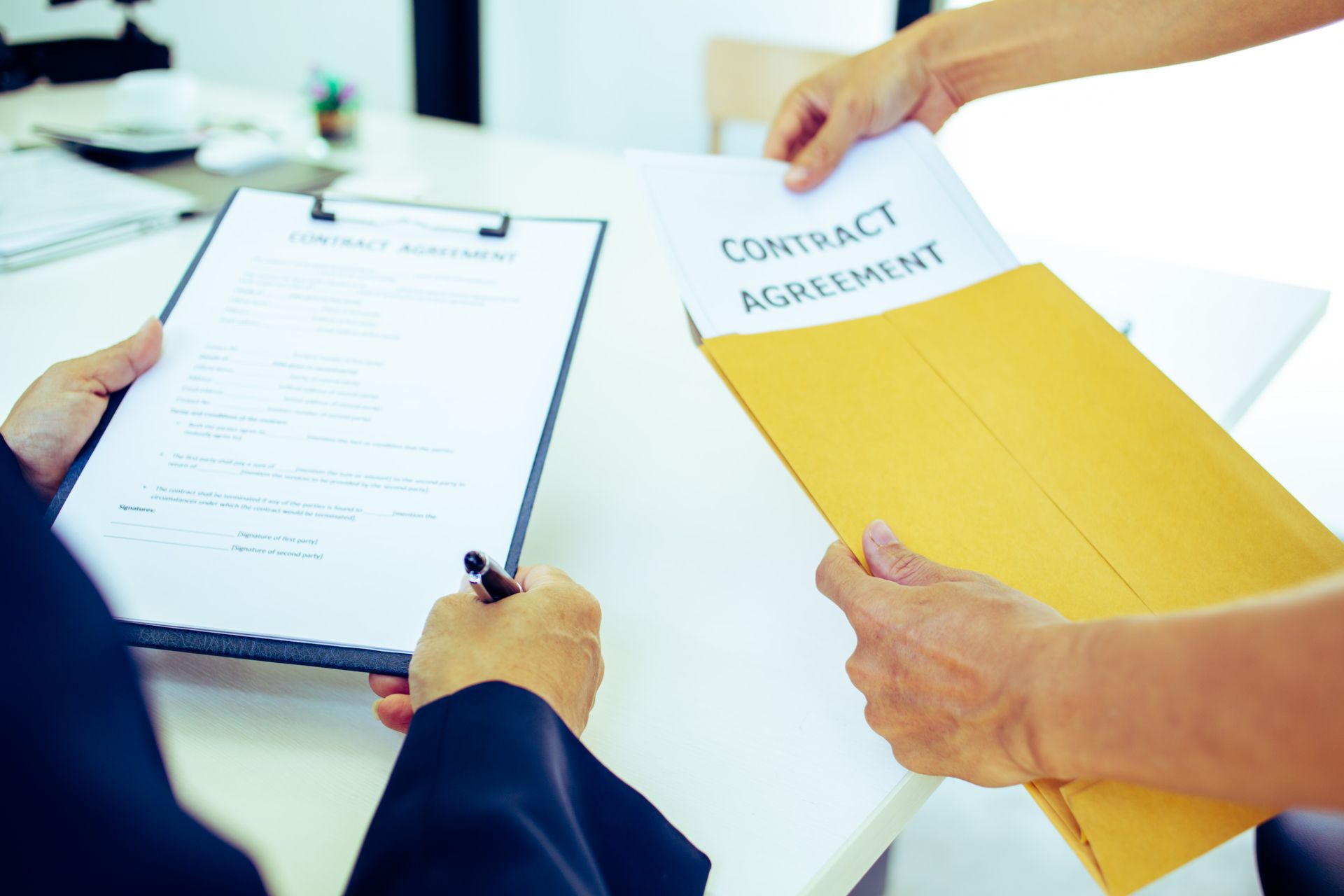
Buying or selling real estate is a major financial transaction, and the contract is one of the most important documents involved in the process.
A Florida real estate contract does much more than state the purchase price of the property. It can establish deadlines, financing requirements, deposit obligations, inspection rights, closing responsibilities, and what may happen if either party does not complete the transaction as agreed.
Once a contract is signed, the buyer and seller may be legally obligated to follow its terms. That is why it is important to understand exactly what you are agreeing to before you sign.
Whether you are purchasing or selling residential property in Boca Raton or elsewhere in Florida, here are some of the provisions you should carefully review before entering into a real estate contract.
1. Purchase Price and Payment Terms
The purchase price may seem like the most straightforward part of a real estate agreement, but buyers and sellers should still review how and when the money will be paid.
The contract should clearly address matters such as:
- The agreed purchase price
- The amount of the initial deposit
- Whether additional deposits are required
- When deposits must be delivered
- How the remaining purchase price will be paid
- Whether financing is involved
- Who will hold the deposit
Do not assume that a verbal conversation or previous offer controls if the final written agreement says something different.
Before signing, confirm that the financial terms accurately reflect the deal you intend to make.
2. The Earnest Money Deposit
Many real estate contracts require the buyer to provide an earnest money deposit after the agreement is executed.
The contract should specify the amount, deadline, and party responsible for holding the funds.
Buyers should also understand what circumstances may allow the deposit to be returned and when it could potentially be placed at risk if the transaction does not close.
For sellers, deposit provisions can also be significant if a buyer fails to perform under the agreement.
Because the outcome can depend heavily on the language of the contract and the circumstances surrounding a termination, both parties should understand the deposit provisions before signing.
3. Financing Contingencies
If a buyer needs a mortgage to complete the purchase, the financing provisions deserve careful attention.
Depending on the contract, these provisions may establish:
- How long the buyer has to apply for financing
- The type or amount of financing being sought
- Deadlines for obtaining loan approval
- Notice requirements
- What happens if financing cannot be obtained
A buyer should not assume that being unable to obtain a loan automatically allows the buyer to walk away from every contract without consequences.
The rights and obligations of the parties depend on the actual contract language and whether required deadlines and procedures were followed.
4. Inspection and Due-Diligence Provisions
A property may look ideal during a showing while still having problems that are not immediately visible.
Depending on the agreement, a buyer may have a specified period to conduct inspections or other due diligence.
This could involve evaluating:
- The roof
- Plumbing
- Electrical systems
- HVAC systems
- Structural conditions
- Mold or moisture concerns
- Pools
- Septic systems
- Property boundaries
- Permits or improvements
- Other conditions affecting the property
The contract may also determine what options are available if an inspection reveals a problem.
Those options can vary significantly depending on the agreement. A buyer may have certain rights to request repairs, negotiate, terminate within a permitted period, or proceed with the purchase despite the issue.
Pay close attention to both the scope of the inspection provisions and the deadlines for exercising any rights they provide.
5. Property Disclosures
Florida law requires certain disclosures in residential real estate transactions.
For example, Florida law requires a seller to provide a residential purchaser with a flood disclosure at or before the time the sales contract is executed. Florida also requires a property-tax disclosure summary for residential sales, either within the contract or through a separate disclosure incorporated into it.
Depending on the property and transaction, additional disclosure requirements may apply.
Buyers should carefully review disclosures rather than treating them as routine paperwork. Sellers should likewise understand what information they are required to provide and avoid making inaccurate representations about the property.
6. Title to the Property
A real estate purchase does not involve only the physical property. The buyer also needs to know what ownership interest is actually being transferred.
Title problems may involve:
- Unreleased mortgages
- Liens
- Judgments
- Ownership disputes
- Errors in prior deeds
- Easements
- Boundary issues
- Claims by other parties
- Problems involving previous transfers
A title examination can help identify issues that may need to be addressed before closing.
The contract should also explain the seller's title obligations, how title defects are handled, and what happens if an issue cannot be resolved within the required time.
Peter J. Snyder, P.A. assists buyers and sellers with title examinations and other legal issues that can arise during Florida real estate transactions.
7. The Property Description
Before signing, verify that the agreement clearly identifies the property being purchased or sold.
This may include the street address and legal description, but buyers should also consider whether the agreement accurately addresses anything else intended to be included in the transaction.
For example, questions may arise regarding:
- Fixtures
- Appliances
- Furnishings
- Equipment
- Parking spaces
- Storage areas
- Other items associated with the property
If an item is important to the deal, it is better to address it clearly in the written agreement than to rely on assumptions.
8. Closing Date and Closing Responsibilities
The closing date is another provision that deserves more attention than simply circling a day on the calendar.
A real estate contract may establish deadlines and responsibilities involving financing, title work, document preparation, inspections, funds, possession, and other requirements that must be satisfied before or at closing.
Buyers and sellers should understand:
- When closing is scheduled
- Whether and how the date may be extended
- What each party must complete before closing
- When possession will transfer
- What funds must be provided
- What documents must be signed
- What happens if one party is not ready to close
Missing a contractual deadline can create serious complications, particularly when the contract makes time an important part of performance.
9. Closing Costs
Real estate transactions involve expenses beyond the purchase price.
Depending on the contract and circumstances, costs may involve:
- Title services
- Title insurance
- Recording fees
- Taxes
- Association-related charges
- Loan expenses
- Attorney fees
- Other closing expenses
The agreement should be reviewed to determine which party is responsible for particular costs.
Understanding these obligations before signing can prevent an unpleasant surprise when the closing statement arrives.
10. Homeowners' or Condominium Association Issues
If the property is located within a homeowners' association or condominium, additional documents, restrictions, fees, and approval requirements may affect the transaction.
A buyer may need to consider issues such as:
- Association assessments
- Use restrictions
- Rental restrictions
- Approval procedures
- Pending or anticipated assessments
- Rules affecting renovations or property use
The contract may contain provisions addressing association documents and related deadlines.
These terms can be particularly important for buyers who plan to rent, renovate, or use the property in a particular way.
11. What Happens If Someone Backs Out?
Before signing a real estate contract, both sides should understand what could happen if the transaction does not close.
A contract may distinguish between a permitted termination under a contingency and a failure to perform that constitutes a breach.
Depending on the agreement and circumstances, consequences may involve the deposit, contractual remedies, damages, or litigation.
Buyers should understand when they are permitted to terminate the agreement and what procedures they must follow. Sellers should understand their rights if a buyer fails to complete the transaction.
The time to examine these provisions is before a dispute develops.
12. Default and Dispute-Resolution Provisions
Real estate contracts often address what happens when one party allegedly breaches the agreement.
These provisions may discuss:
- Buyer default
- Seller default
- Deposit disputes
- Mediation
- Litigation
- Attorney fees
- Other available remedies
Do not skip this section simply because you expect the transaction to proceed smoothly.
If something goes wrong later, these provisions may become some of the most important terms in the entire agreement.
13. Deadlines Throughout the Contract
A real estate contract may contain numerous deadlines rather than a single closing date.
Those deadlines could relate to:
- Deposits
- Financing
- Inspections
- Title objections
- Association documents
- Notices
- Closing
- Other contingencies
Missing one of these dates may affect a party's contractual rights.
Once the agreement is signed, create a calendar of every important deadline and understand what action is required before each one expires.
14. Changes Made During Negotiations
Real estate contracts frequently go through multiple offers, counteroffers, amendments, or revisions.
Before signing the final version, make sure every negotiated change actually appears in the document.
Do not rely on statements such as, “We already discussed that,” or assume a provision will be changed later.
Review the final contract from beginning to end and confirm that it accurately reflects the agreement you believe you reached.
Should You Have a Florida Real Estate Attorney Review the Contract Before Signing?
A real estate attorney can review the agreement from a legal perspective and help identify provisions that may affect your rights or obligations.
Depending on the transaction, an attorney may assist with:
- Reviewing or drafting the purchase agreement
- Explaining unclear contract language
- Negotiating terms
- Reviewing title issues
- Addressing liens or other property concerns
- Evaluating contingencies
- Preparing amendments
- Reviewing disclosures
- Assisting with closing documents
- Addressing disputes that arise during the transaction
Having the agreement reviewed before you sign can be particularly valuable when the transaction involves unusual terms, investment property, commercial property, seller financing, title concerns, existing tenants, or other complications.
Do Not Assume a Standard Contract Means a Standard Transaction
Using a commonly used real estate form does not mean every transaction carries the same risks.
The property, financing arrangement, deadlines, negotiated terms, title history, intended use, and priorities of the parties can all be different.
A provision that works well for one buyer or seller may not adequately address another person's circumstances.
That is why the contract should be evaluated based on the specific transaction rather than signed simply because the document looks familiar.
Review the Details Before You Commit
A real estate contract can determine what happens from the moment an offer is accepted through closing—and potentially what happens if the transaction falls apart.
Before signing, make sure you understand the purchase price, deposits, financing provisions, inspection rights, title requirements, disclosures, deadlines, closing responsibilities, default provisions, and other important terms.
Taking the time to carefully review the agreement can help identify potential issues while there is still an opportunity to address them.
Buying or Selling Property in Florida? Contact Peter J. Snyder, P.A.
Whether you are buying or selling residential real estate, legal issues can arise long before you reach the closing table.
Peter J. Snyder, P.A. assists buyers and sellers with Florida real estate matters, including contract preparation, review and negotiation, purchases and sales, residential and commercial transactions, title issues, closings, and real estate disputes.
Attorney Peter J. Snyder has more than 44 years of legal experience and serves clients in Boca Raton, Delray Beach, Deerfield Beach, and surrounding South Florida communities.
If you are preparing to buy or sell property, having your agreement reviewed before signing can help you understand the obligations you are accepting and identify issues that may need to be addressed.
Call Peter J. Snyder, P.A. at 561-220-7765 to schedule a consultation about your Florida real estate transaction.